Lyndon@eunovpack.com; Raven@eunovpack.com +86 18990245868; +86 15821642389 Mon – Fri, 08:30 – 24:00 (GMT+8)
Accueil
Solutions
À propos
Blog
Contact
Submit Requirement
Demander un devis
Solutions par secteur

Solutions d'emballage par secteur — boissons, huiles, alimentaire, chimie, pharma | Notre société

Des lignes configurées autour de votre produit : boissons, huiles alimentaires, alimentation et sauces, chimie et entretien ménager, production pharmaceutique. Découvrez les machines recommandées pour chaque secteur.

By Application

Solutions By Sector

Beverage

Water, Juice & Carbonated Drinks

High-throughput lines for still water, juice, flavoured drinks and carbonated beverages — where fill consistency and label placement determine shelf presence.

Edible Oil

Edible Oil & Cooking Oil

High-viscosity filling for refined vegetable oil, cold-pressed oils and sauces — the category where servo accuracy and foam control decide your yield.

Food & Sauce

Sauce, Condiment & Seasoning

Thick sauces, dressings and spice blends with particulates — production lines configured for difficult flow and clean-in-place routines.

Chemical & Household Care

Chemical, Detergent & Household Care

Corrosion-resistant packaging lines for aggressive formulas — built with the right metallurgy, guarding and documentation from day one.

Pharmaceutical

Pharmaceutical & Health Products

GMP-oriented filling and cartoning for liquids, creams and solid dose — with the documentation and cleanability audits require.

Notre méthode

Du besoin à la production en marche

01

Requirement Review

We review your product, container, closure, label, target throughput and factory space — in writing, so nothing is assumed.

02

Engineering & Proposal

Our engineers issue a layout drawing, machine specification and a technical proposal with a firm lead time.

03

Manufacturing & FAT

Build, assembly and full-load testing at our workshop, witnessed by your team if you wish to attend.

04

Delivery & Support

Sea freight, installation, commissioning and training — plus remote diagnostics for the life of the machine.

Dites-nous ce que vous devez emballer

Envoyez une photo de produit, un échantillon de bouteille ou une simple description. Nos ingénieurs répondront par une proposition technique — sans engagement.

Démarrer votre projet
By Equipment

Solutions By Equipment

Most of these machines are not tied to one industry — a servo piston filler packs sunscreen, cough spray and ketchup on the same machine. Below: what each machine does, which industries it serves, the details we need from you, and how we configure it in response.

Aerosol Filling Equipment
Aerosol Line

Aerosol Filling Equipment

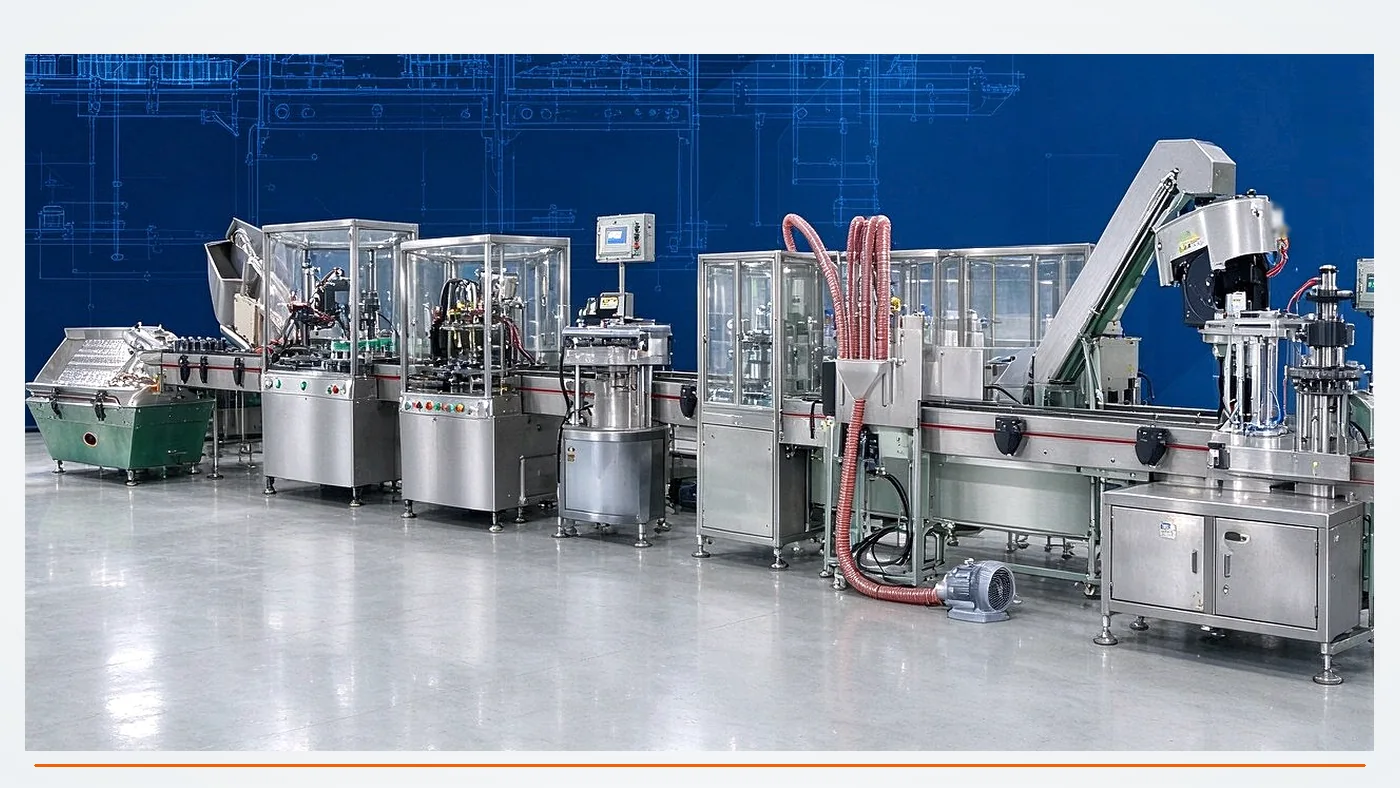
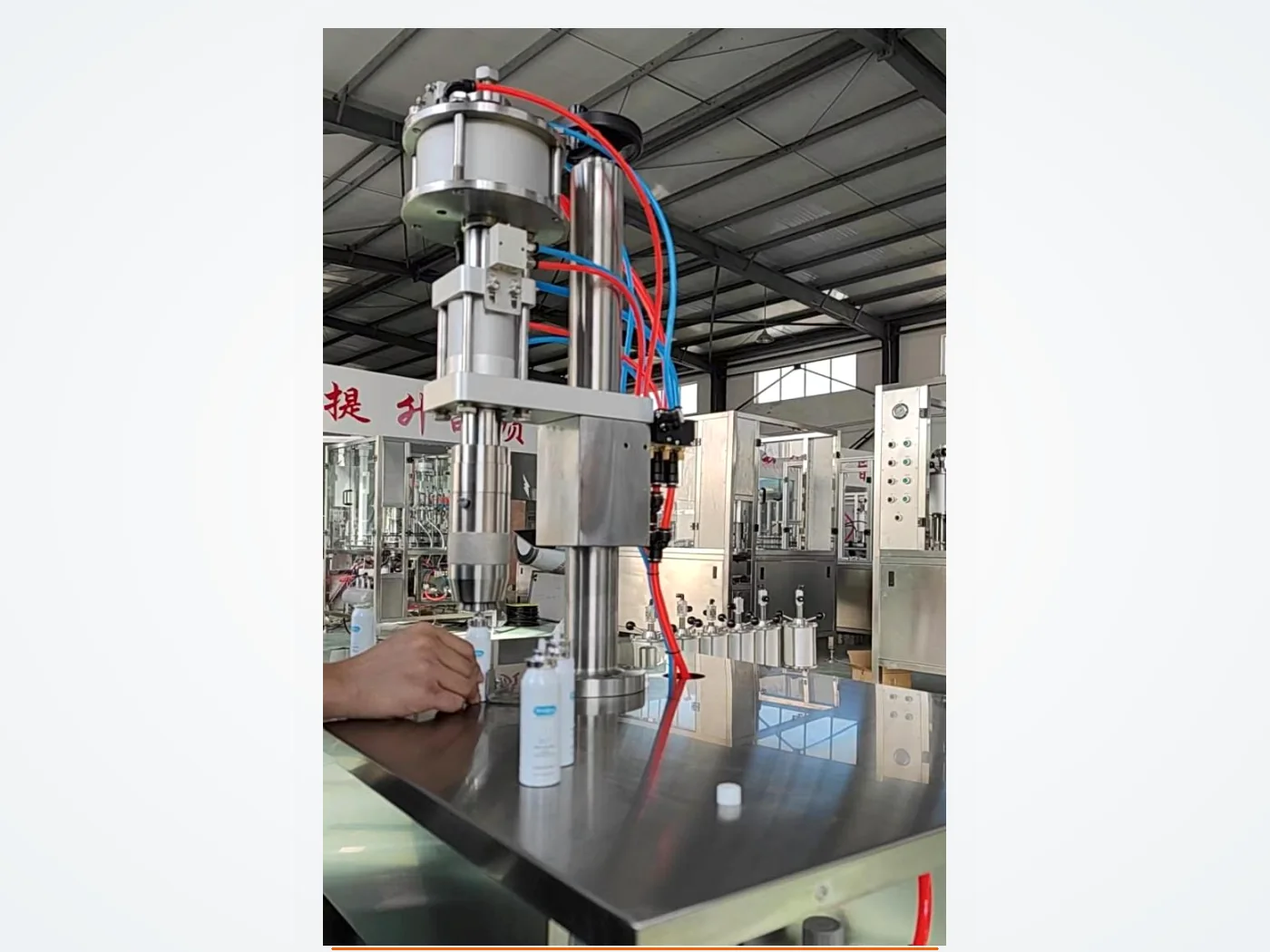
The one line that really is product-specific. A complete aerosol line charges propellant, fills the can, fits the valve and crimps it — and the valve, the propellant and the can format have to match each other exactly.

Industries Served
Cosmetics & personal care Pharmaceutical sprays Household chemicals Food & seasoning aerosols Lubricants & additives
MYD9201 Bench-top Small-dose Liquid Filler
MYD9206 2-Component High-pressure Liquid Filler
MYD9502 Automatic Aerosol Filling Line
What We Need From You
  • Aerosol can specification: diameter, height, neck and internal volume
  • Product volume and the fill tolerance required by your pharmacopoeia
  • Propellant type, whether it is a single or two-component system
  • Valve type and the crimping specification
  • Whether the product is a suspension, and the particle size involved
  • Required output and whether you need a semi-automatic or fully-automatic line
  • Documentation package required for GMP or your customer's audit
Our Solution

We configure the line around your can and your propellant system — one-component or two-component BOV changes the valve handling, the sealing and the entire machine layout. For suspensions we specify the filling mode and the valve type that keeps the particles evenly distributed. The documentation package is prepared for GMP and for your customer's audit before the machine ships, not afterwards.
Liquid Filling Machines
Filling

Liquid Filling Machines

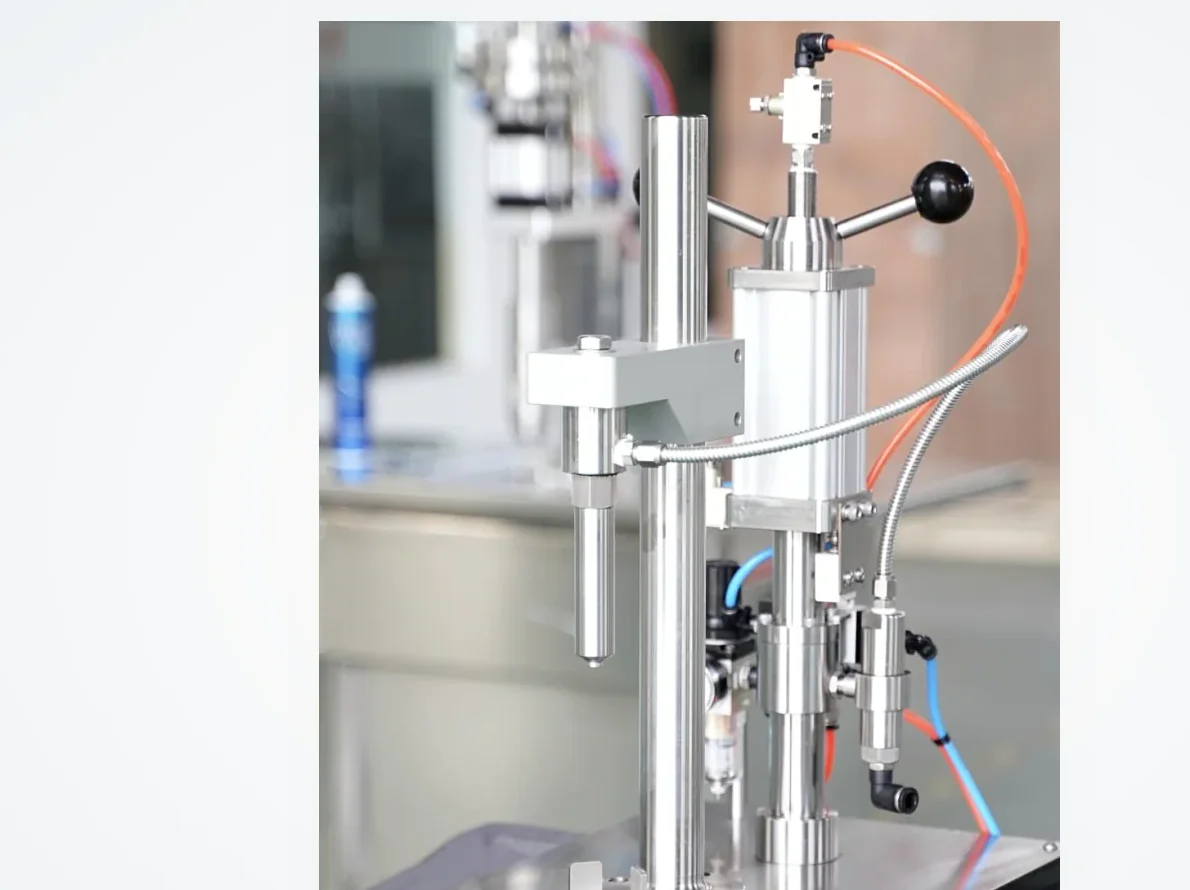
The workhorse of the plant. A servo piston filler handles everything from water and juice to creams, oils and pharmaceutical liquids — the choice comes down to viscosity and what the product does to the seals.

Industries Served
Food & beverage Cosmetics & personal care Pharmaceutical liquids Household chemicals Edible oils & sauces Lubricants & additives
MYD9201 Bench-top Small-dose Liquid Filler
MYD9202 Bench-top Liquid Filler
MYD9206 2-Component High-pressure Liquid Filler
What We Need From You
  • Container type and capacity (glass, PET, HDPE) with a photo or drawing
  • Target fill volume and dosing tolerance (e.g. 500 ml ±3 ml)
  • Viscosity of the product and whether it contains pulp or particles
  • Required output per hour and the number of shifts per day
  • Whether the product is heated during filling and to what temperature
  • Whether the product is nitrogen-flushed or oxygen-sensitive
  • Whether the formula is aggressive to 316L stainless steel
Our Solution

We size the piston cylinder, the filling speed and the number of heads to your output, and set the servo stroke from your fill volume. Viscosity is the number that decides the machine: it sets the piston size, the sealing material and the dosing time, and it is also what tells us how often the wear parts need replacing. Where the product is heat-sensitive or aggressive, we insulate the tank and the pipework and specify the metallurgy accordingly.

Capping & Sealing Machines
Capping

Capping & Sealing Machines

Nothing ships without a closed container. The capping machine is picked from the closure you already use — the cap type, the material and the torque your filling line needs — and it is where most fill-and-cap combinations go wrong.

Industries Served
Food & beverage Cosmetics & personal care Pharmaceutical sprays Household chemicals Camping & cooking gas Medical oxygen cylinders
MYD9301 Automatic Crimping Machine
MYD9303 Valve Fitting & Crimping Machine
MYD9305 Pump Capper
What We Need From You
  • Cap type: screw cap, sprayer, pump or dropper
  • Cap diameter, thread specification and torque requirement
  • Material of the cap (HDPE, PP, aluminium)
  • Closure torque range and any leak-test requirement
  • Container material and neck finish
  • For aerosols: valve type and the crimping specification
Our Solution

We match the capping head to your cap and set the tightening torque on the servo drive. The machine is delivered with torque verification, so an under- or over-tightened closure is rejected at the machine rather than reaching your customer. For aerosol valves we verify the seal on every can and record the data with the batch record — that is what an auditor asks for first.

Gas Filling & Propellant Charging
Propellant

Gas Filling & Propellant Charging

Only aerosol lines need this, and it is the part that decides whether the can behaves on the shelf. The propellant, the valve and the can volume have to be balanced against each other.

Industries Served
Pharmaceutical sprays Cosmetics & personal care Camping & cooking gas Welding gas canisters Medical oxygen cylinders
MYD9401 LPG Propellant Filling Machine
MYD9403 Nitrogen & CO₂ Filling Machine
MYD9405 Medical Oxygen Filling Machine
What We Need From You
  • Propellant type: LPG, DME, HFC-134a, nitrogen, CO₂ or compressed air
  • Charging pressure and the target propellant quantity per can
  • Can internal volume and the intended product fill volume
  • Valve type and the valve supplier's charging specification
  • Whether the line needs flammability-proof electricals
  • Required output and the number of filling stations
Our Solution

We set the charging pressure, the dose volume and the purge cycle from the can, the valve and the propellant you name — the three have to agree, and the valve manufacturer's charging table is what we work from. Where the propellant is flammable we supply the appropriate electricals and grounding, and the whole section is designed so a can that failed the leak test never reaches the filler.

Labeling Machines
Labeling

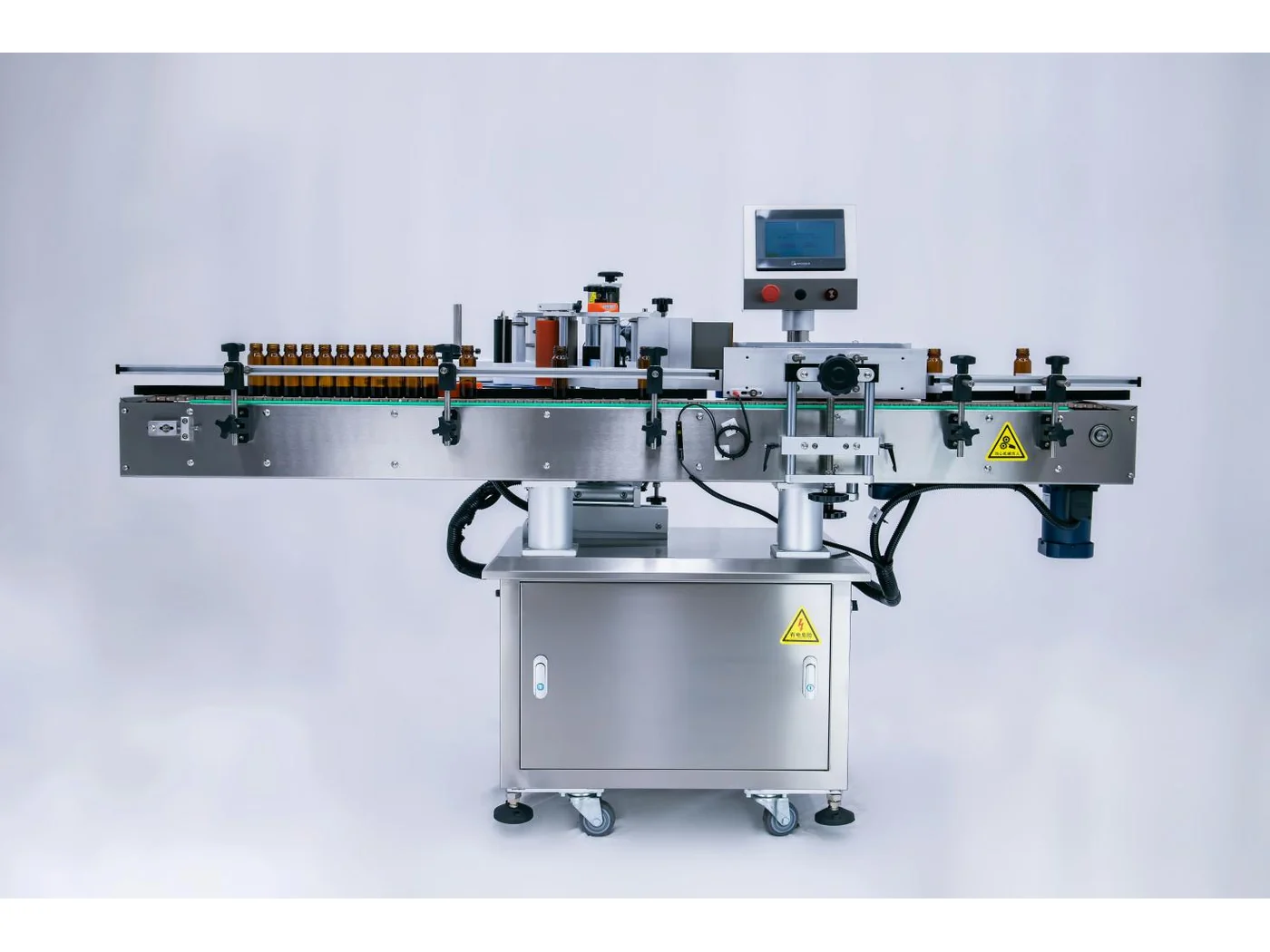
Labeling Machines

The machine that decides how the product looks on shelf, and the one most often bought twice — because the first one was sized for the bottle rather than for the label.

Industries Served
Food & beverage Pharmaceutical bottles Daily-chemical bottles Cosmetics containers Shampoo & detergent bottles Jars & canisters
LY200 Round Bottle Labeling Machine
LW300 Wrap-around Labeling Machine
LD200 Double-sided Labeling Machine
T150 Print & Apply Labeler
What We Need From You
  • Label dimensions (width and length) and whether it is self-adhesive or BOPP
  • Bottle diameter and shape — round, oval or square
  • Label position: body wrap-around, front/back, or neck
  • Required labeling speed and the changeover frequency between products
  • Whether you need a coder, a date printer or RFID verification
  • Label material and the storage conditions it has to survive
Our Solution

We choose the labeling method that suits your bottle and your label, and we size the rollers to the bottle diameter and the label tension so the film does not wrinkle. The speed is matched to your filling line so labeling does not become the bottleneck. If you run several products, quick-change rollers are set up so a changeover takes minutes rather than a shift.

Shrink Wrapping & Film Packaging
Film Packaging

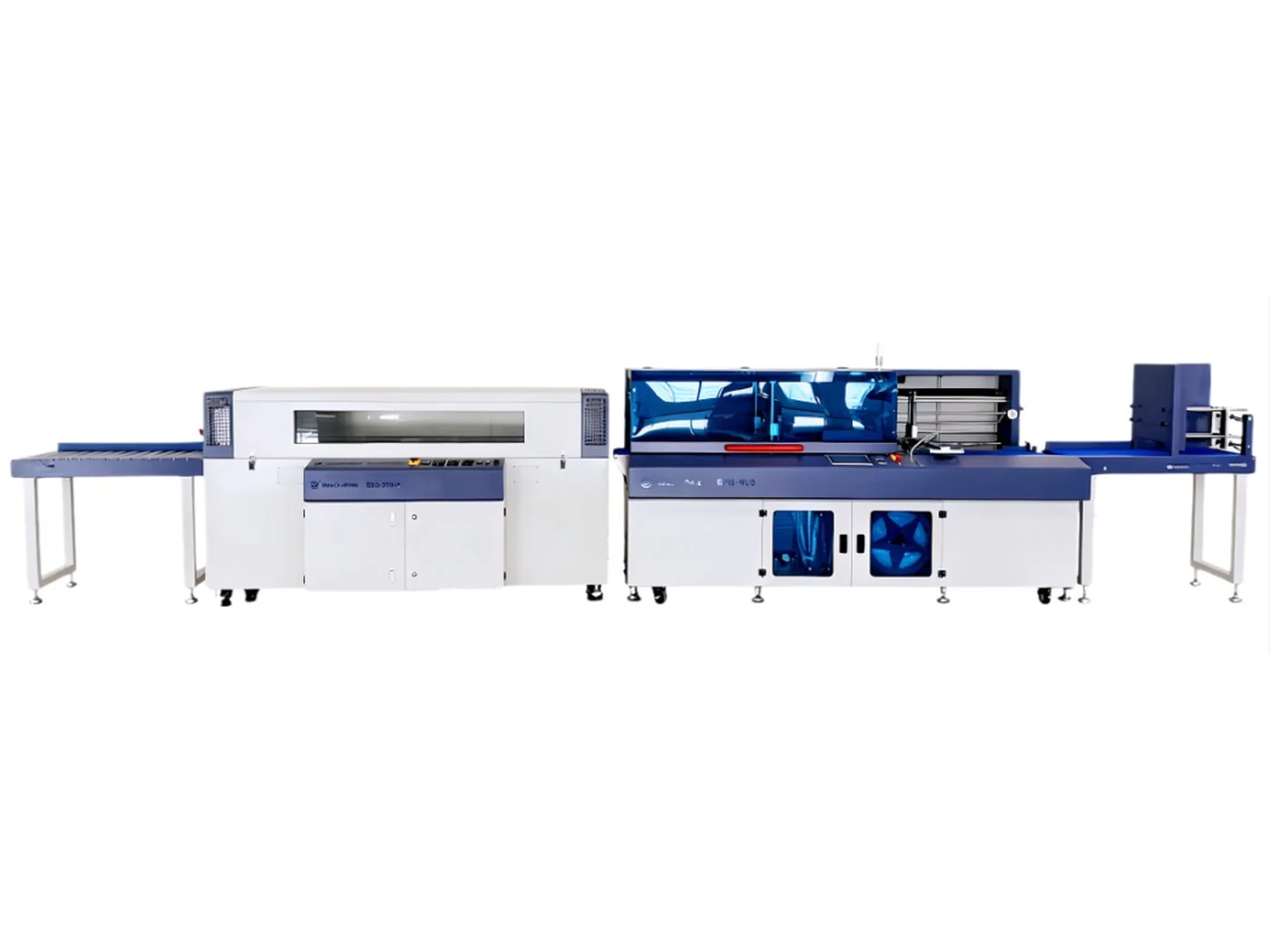
Shrink Wrapping & Film Packaging

Film around the product: bundling bottles into a multipack, sealing a pouch, or wrapping a rigid container in film. The film decides the result — its thickness, its shrink ratio and the tunnel temperature all have to match.

Industries Served
Bottles & jars in shrink film Multi-pack bundling Food & snack pouches Hardware & small parts Glassware & rigid containers E-commerce parcel bags
BFW450 Heat Shrink Wrapper
XY-400 Pillow Packing Machine
XY-260 Continuous Sealing & Cutting Machine
DQL-320 Vacuum Packaging Machine
What We Need From You
  • Pack dimensions: diameter, height and the spacing between bottles
  • Number of bottles per pack (single, multi-pack or tray)
  • Film thickness and type, including whether it is printed
  • Required pack speed and the tunnel temperature the film needs
  • Whether the pack must be openable by hand or needs a tear strip
  • For pouches: product weight, film type and the bag dimensions
Our Solution

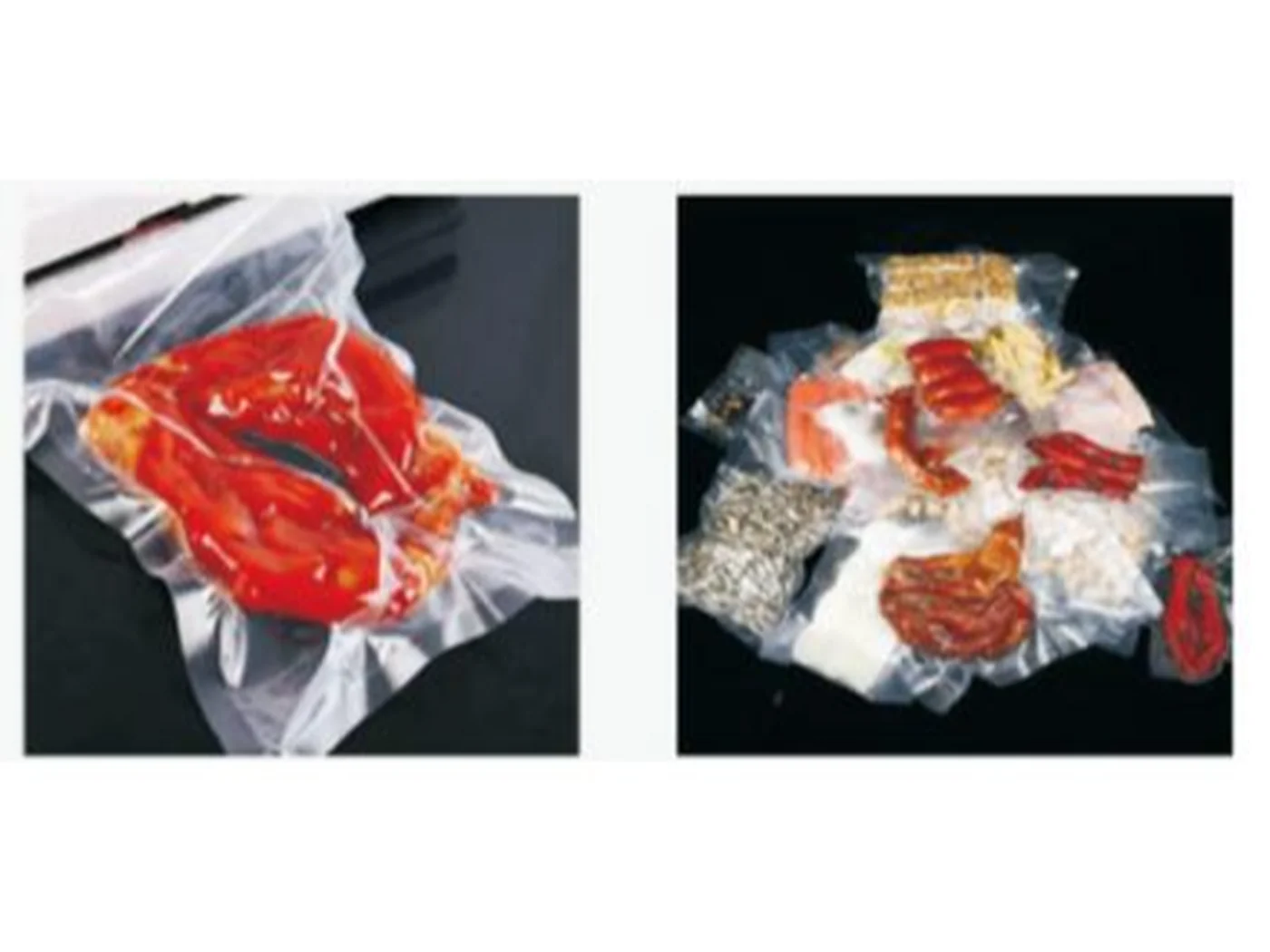
We set the sealing jaw and film tension for your pack geometry, and choose the tunnel temperature and dwell from your film specification — that pairing is what makes the film shrink tightly without clouding or burning the print. For vacuum packs we size the chamber and the pump to the product: a 400 g pack of meat and a 5 g pack of sachets need very different vacuum pumps, and getting that wrong is what causes the reject rate.

Carton Sealing & Case Packing
Cartoning

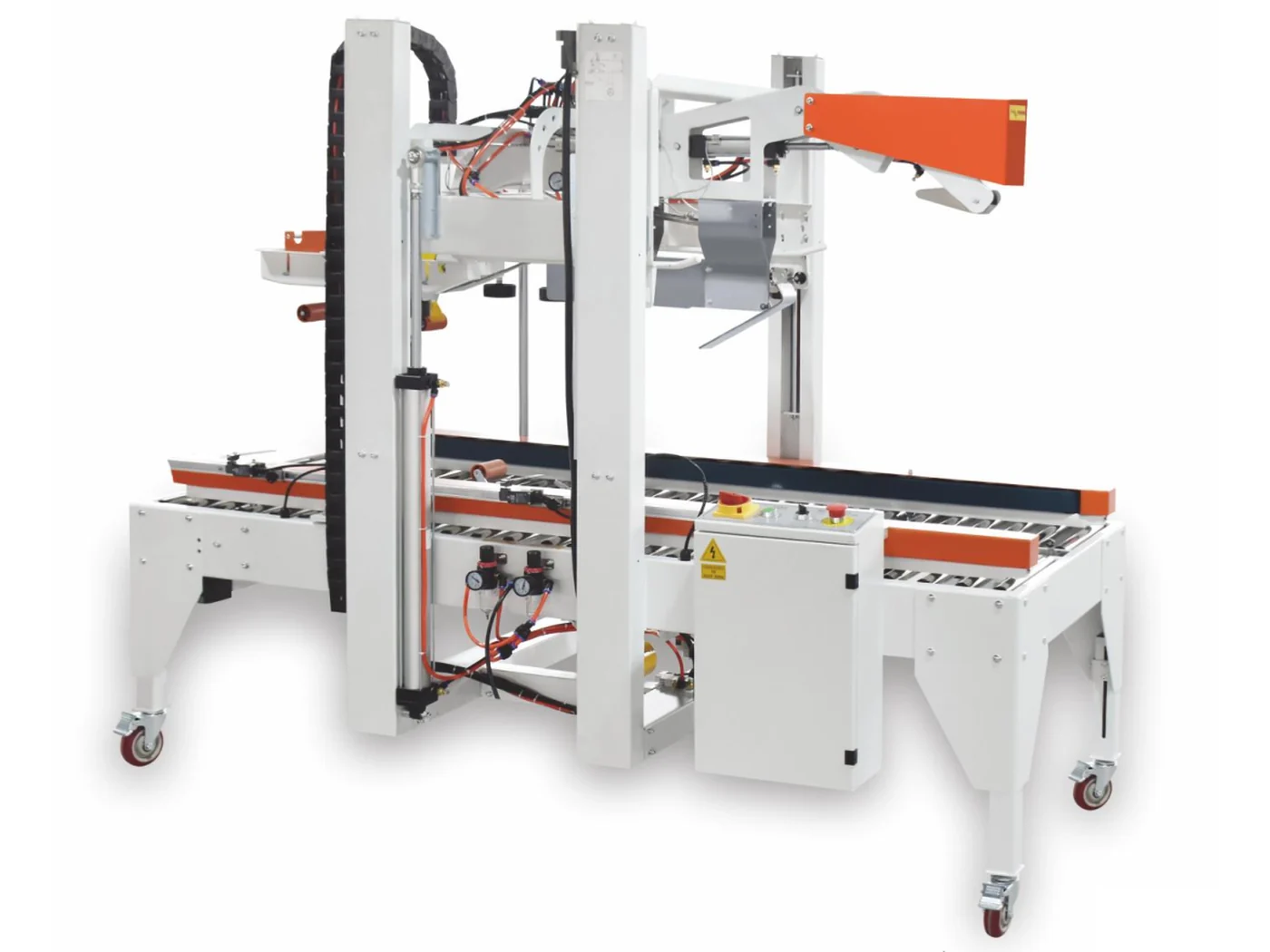
Carton Sealing & Case Packing

The last machine before the pallet. It closes the case, and in a full line it decides how many cases per hour the warehouse gets — which is usually the real constraint on the whole plant.

Industries Served
Corrugated shipping cartons E-commerce fulfilment Food & beverage cases Multi-layer cartons Paperboard boxes Logistics warehouses
KFQZ-5050 Fully-automatic Carton Sealing Line
KFJ-755 Four-drive Carton Sealer
KFT-4030 Semi-automatic Carton Sealer
KFU-6050 Unattended Packing Line
What We Need From You
  • Bottle size and the number of bottles per carton
  • Carton dimensions, material (corrugated E-flute, AB, etc.) and print
  • Required cartons per hour
  • Whether the line must glue, staple or tape the carton
  • Case type and material, and whether the case is sealed with tape or glue
  • Pallet type and the number of cases per pallet
  • Floor space available and the operator skill level on site
Our Solution

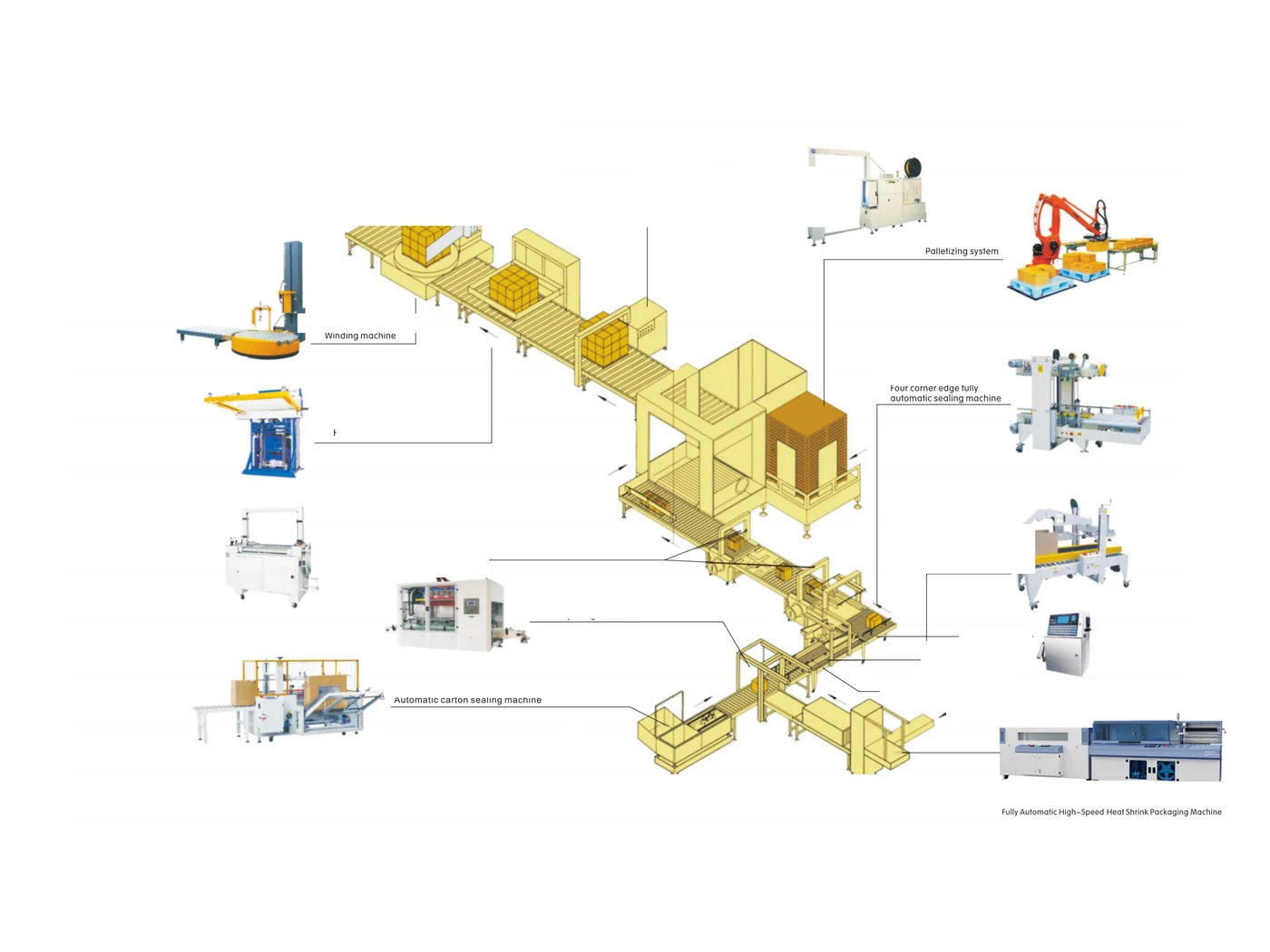
We size the carton magazine and the sealing heads to your pack format and set them to close without crushing the bottle. If the pack is heavy, the carton weight and the compression strength are matched to the load, and the line is integrated with the shrink wrapper and the palletiser so the whole pack is handled once. We also lay the line out around your pallet format, so the robot gripper matches your actual case rather than a standard one — that is where the real labour saving sits.

Metal Detection & Foreign Object Control
Detection

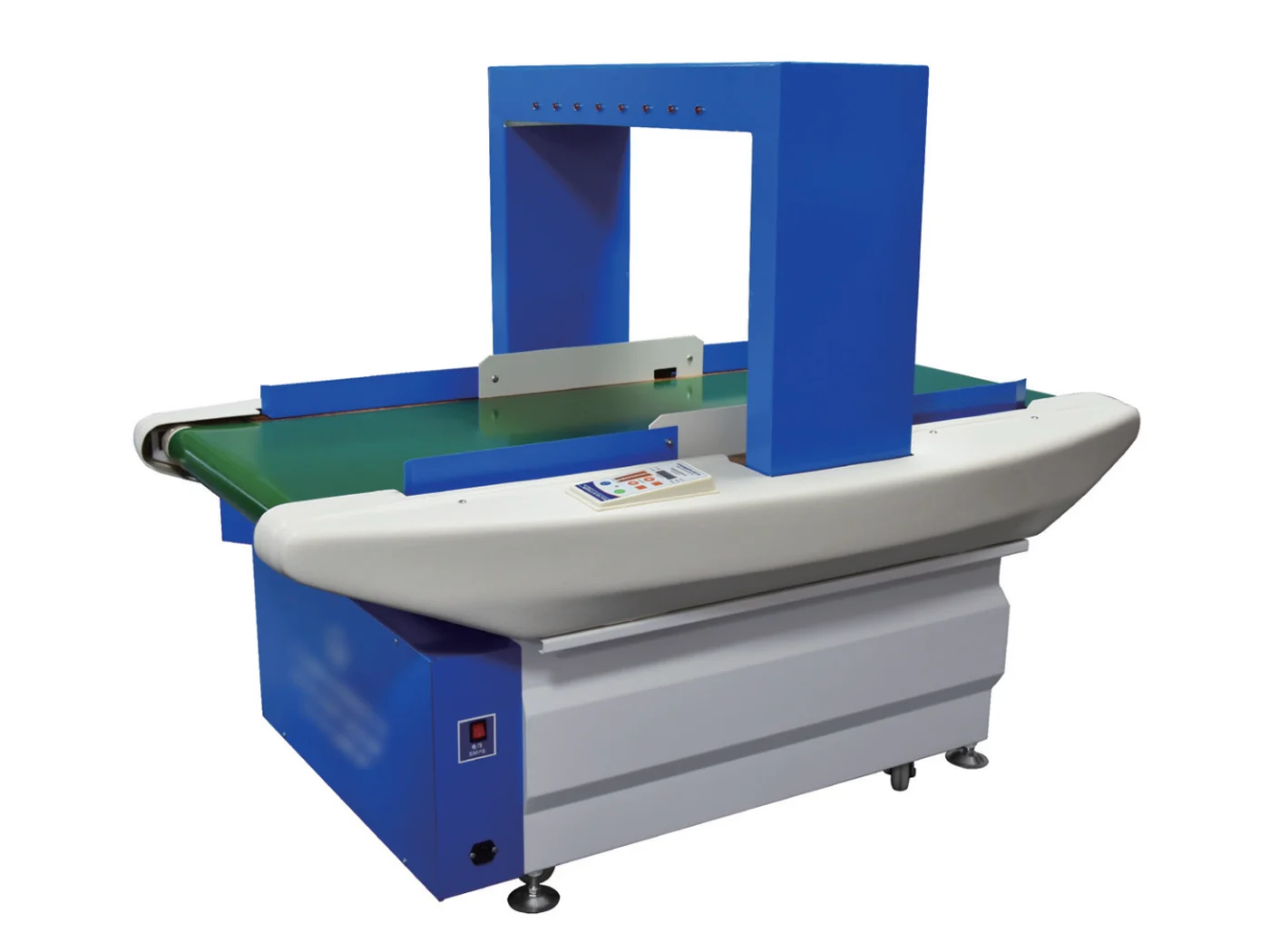
Metal Detection & Foreign Object Control

The machine that finds what nobody can see. It sits at the end of the line and answers the only question that matters when a customer complains: how do we prove the product is clean?

Industries Served
Food processing lines Pharmaceutical packaging Textiles & garments Toys & hardware Aluminium foil packaging Recycling & scrap sorting
CQ-800A Metal Detector
CQ-DC3 Needle Detector
CQ-S02 Metal Separator
What We Need From You
  • Product and pack material — both affect the detection physics
  • Contaminant types and sizes to detect (Fe, non-Fe, SUS)
  • Required sensitivity in mm and any customer-specific detection standard
  • Line speed and pack orientation
  • Reject method required and whether the reject must be recorded
  • Whether the detector must be wash-down or IP rated
Our Solution

We set the aperture and the sensitivity from your product and the contaminant standard you have to meet, and calibrate the unit with traceable test pieces before shipment. The reject is integrated with the line so the pack is removed before it reaches the case, and the reject record is kept for your quality file — which is the evidence a customer audit asks for.

Checkweighing & Weight Sorting
Weighing

Checkweighing & Weight Sorting

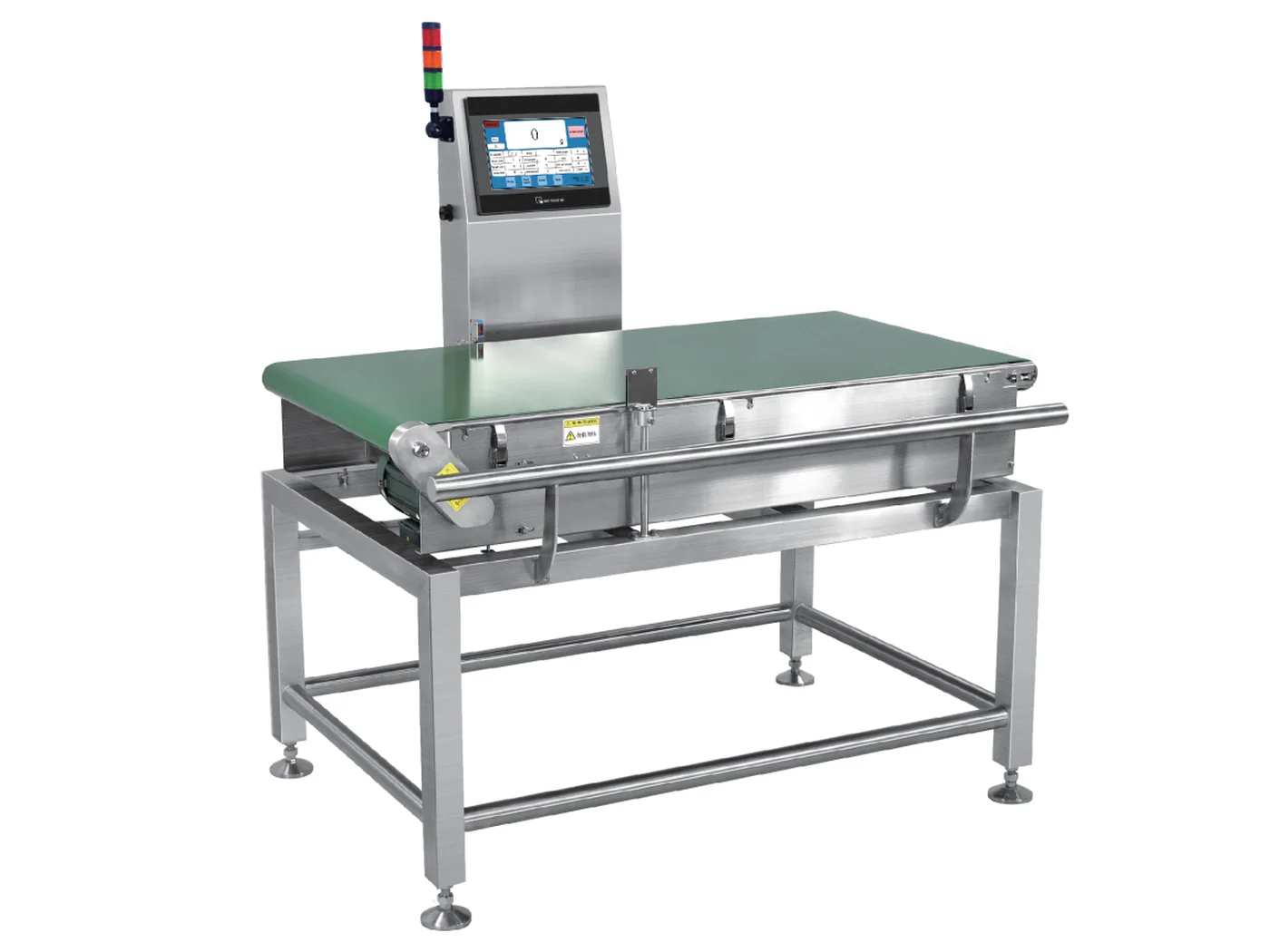
Checks the fill and the pack at the same time. It catches the under-filled can nobody notices and the over-filled one that quietly costs you money on every pallet.

Industries Served
Net weight verification Portion control Filling line integration Legal-for-trade checkweighing Bag & pouch weighing Multi-weight grade sorting
CQ-918 Automatic Checkweigher
CQ-S04 Automatic Weight Sorting Machine
CQ-XP600 Combination Weighing & Sorting
CQ-FX400 Metal Detector + Checkweigher
What We Need From You
  • Nominal fill weight and the legal tolerance in your market
  • Container weight range including the packaging
  • Required weighing speed matching the line speed
  • Nominal net weight and the tolerance bands for each grade or channel
  • Number of weight grades or sorting channels required
  • Reject method: air blast, diverter or reject gate
Our Solution

We set the nominal weight and the acceptance window to your legal tolerance and your container weight, and match the belt speed to the line so nothing is checked at the wrong rate. For multi-grade sorting we configure the number of channels to the number of grades you actually run — a filled container's weight changes with the fill level, so the machine reads weight after settling rather than during filling, and that is what makes the sorting accurate.

X-Ray Inspection
X-Ray

X-Ray Inspection

Where a metal detector stops, X-ray continues. It sees inside the pack — glass, stone, dense plastic and metal that a detector cannot reach.

Industries Served
Pharmaceutical blister packs Dense food & powder products Aluminium foil packaging Ready meals & prepared food Tea, coffee & grains Hardware & metal parts
CQ-XP600 X-ray Inspection System
CQ-XP400 Inline X-ray Inspector
What We Need From You
  • Product density and pack material — this drives the X-ray power needed
  • Contaminants you must detect and their size (metal, glass, stone, plastic)
  • Required inspection sensitivity and the detection standard to meet
  • Line speed and pack orientation
  • Whether automatic rejection and a reject recorder are required
  • Any regulatory or customer audit requirement for record keeping
Our Solution

We set the X-ray voltage and the detection thresholds for your pack density and the contaminant sizes you have to detect, then calibrate with traceable test pieces before shipment. The reject is wired into the line and the inspection data is archived for the retrieval period your quality system asks for — the part that usually gets overlooked and fails an audit.

Powder & Granule Filling
Powder

Powder & Granule Filling

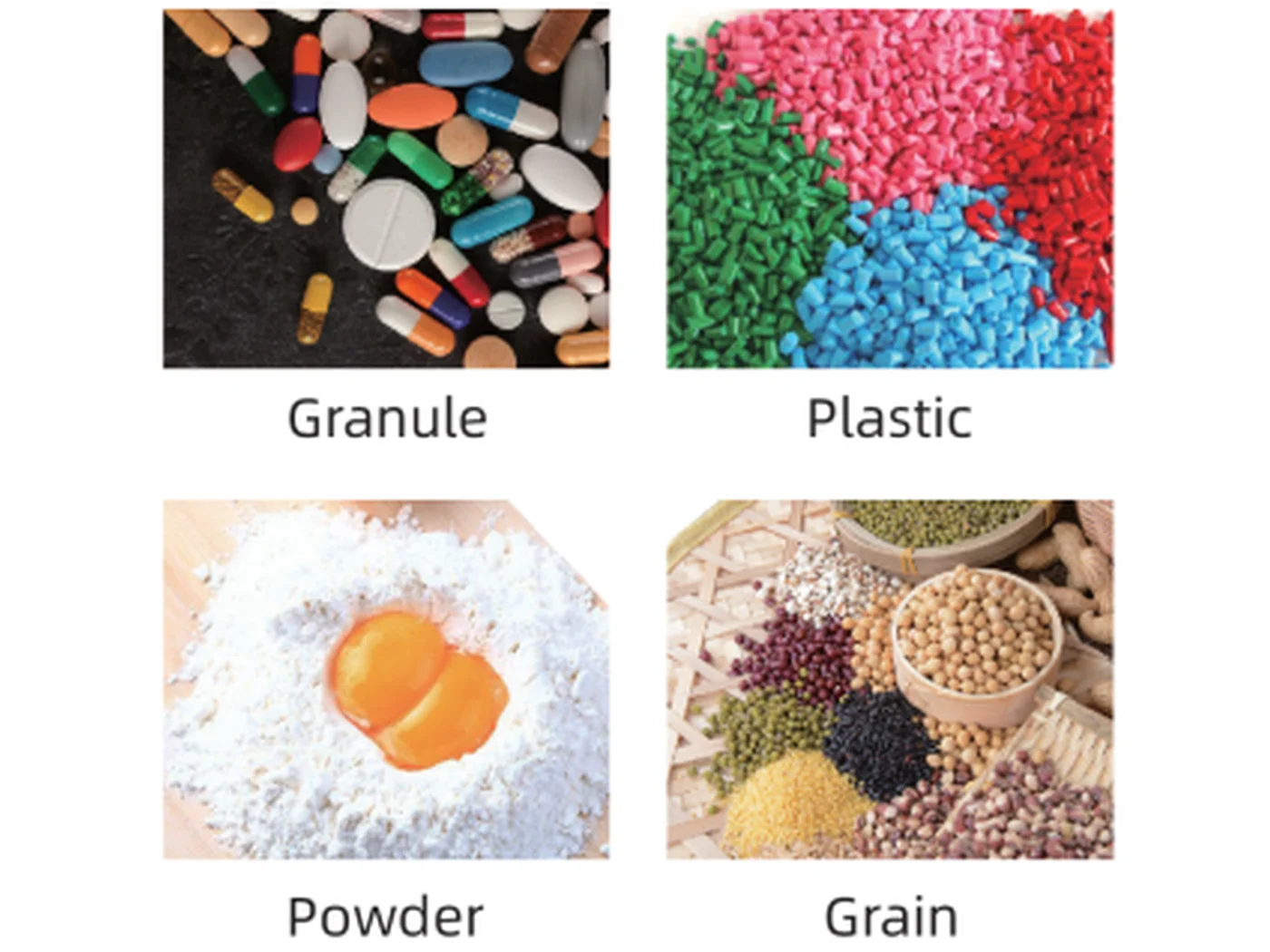
A different problem altogether: the product flows like powder, not like liquid. Auger size, feeder type and fill weight are all decided by the bulk density and how the product behaves in a hopper.

Industries Served
Food & seasoning aerosols Spice blends & condiments Supplements & nutrition powder Pharmaceutical powders Granules & small hardware Milk powder & food portions
BSP Series Powder Filling Machine
XY-400-2S Auger Filling Machine
BSG-5030SL Automatic Powder Filling Line
What We Need From You
  • Product type: fine powder, coarse powder, granules or flakes
  • Bulk density (g/ml) and the flow characteristics of the product
  • Target weight per container and the permitted tolerance
  • Container type and whether the container is opened by the customer
  • Output per hour and the number of filling lanes required
  • Whether the product must be protected from humidity or light
Our Solution

We match the auger size and the number of turns to your bulk density and target weight, and choose the feeder type — vibratory for free-flowing, forced for bridgeable products. A powder that clumps is a feeder problem, not an auger problem, and getting that distinction right is the difference between a line that runs and one that does not. Where the powder is hygroscopic we add a nitrogen flush and, where the container allows it, a desiccant placement.

Automated & Unattended Lines
Full Lines

Automated & Unattended Lines

When one machine is not enough, the question becomes how many people you want standing next to the line. These systems hand over from one machine to the next without an operator in between.

Industries Served
High-volume production E-commerce fulfilment Food & beverage plants Distribution centres Contract manufacturing Multi-product plants
PKG-LINE Unattended Packaging Line
MYD9502 Fully-automatic Aerosol Line
KFU-6050 Robotic Case Packing Cell
What We Need From You
  • Required output and how many shifts run per day
  • Which processes the line has to cover, in order
  • How many products you change between, and how often
  • Whether the line must run unattended and how much changeover you do
  • Floor space available and the operator skill level on site
  • Any utility requirements: power, air, water, exhaust
Our Solution

We lay the line out around your product and your throughput, and the buffer between machines is sized so a short stop on one station does not stop the whole line. The changeover is designed to happen without a mechanic, because that is where the real labour saving sits — one operator covering several machines, not three people each standing at one. We also work out the utility requirements up front, so the line can be commissioned on the day it arrives.

By Container

Packaging Formats We Build For

The container you use decides the machine. Here is the range we work with — and if your format is not here, we have usually built something close to it.

Φ30 – 300 mm

Bottles & Jars

PET, HDPE, glass and wide-mouth containers from 30 mm to 300 mm diameter.

Φ45 – 120 mm

Cans & Metal Containers

Tinplate and aluminium aerosol cans with seaming and valving compatibility.

90 – 500 g

Pouches & Bags

Stand-up pouches, doypacks and VFFS bags with integrated filling stations.

Φ20 – 65 mm

Tubes & Aerosols

Laminate and plastic tubes, plus aerosol cans with cap or pump fitting.

5 – 100 mL

Vials & Small Format

Pharmaceutical vials, dropper bottles and ampoules with precision dosing.

180×65×200 mm

Cartons & Boxes

Secondary and tertiary cartons with automatic folding, gluing and sealing.

Made To Your Specification

Custom Equipment And Production Lines

The machines on this site are the platforms we build from. What we quote you is configured around your product, your container and your throughput — not a stock machine with a different label. Tell us what you need and our engineers design the line around it.

Machine Specification

Filling range, speed, power supply, hopper volume, control system and materials are all set to your product — including options that are not standard.

Line Layout

We plan the whole line: machine order, transfer between stations, guarding, operator access and footprint, so it fits the space you actually have.

Process Integration

Filling, capping, seaming, labelling, coding, inspection and cartoning configured as one system, with the transfers between them worked out.

Compliance & Documentation

CE, UL or ATEX as your market requires, with the manuals, drawings and spare parts list written for the machine we actually build.

Acceptance Testing

Your product is run on the line before it ships. You get the test record, and adjustments are made here until it meets your output and accuracy.

Service & Spare Parts

Wear parts held to the machine you bought, spare kits matched to your duty cycle, and an engineer on call for the life of the line.

Discuter sur WhatsApp
L
Lyndon
Export Sales Department
Online — replies within one business day

Send us your product photo or a description of the container and the output you need. We reply with a configuration proposal and a quotation.